


Industrial steam boilers play a crucial role in manufacturing by providing reliable and efficient heat and power. These systems are essential for various processes across multiple industries. Understanding their benefits can help businesses make informed decisions about their energy needs and operational efficiency.
Key Takeaways
- Steam boilers are cost-effective, saving money on fuel and maintenance.
- They are energy-efficient, converting a significant amount of fuel into usable energy.
- Versatile in application, steam boilers serve various industries, from food processing to textiles.
- With low maintenance needs, they ensure reliable operation and minimal downtime.
- Their long lifespan means they are a dependable investment for manufacturers.
1. Cost-Effectiveness
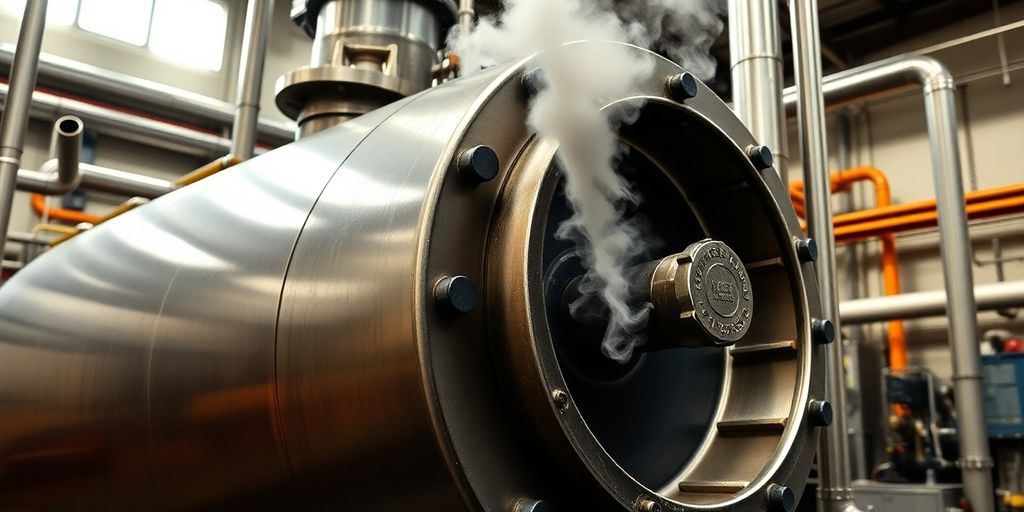
Industrial steam boilers are known for their cost-effectiveness, making them a popular choice in manufacturing. These boilers can significantly reduce operational costs, which is crucial for businesses aiming to maximize profits. One of the main reasons for this cost-effectiveness is their ability to efficiently convert fuel into steam. This efficiency means that less fuel is needed to produce the same amount of steam, leading to lower fuel expenses over time.
Key Factors Contributing to Cost-Effectiveness:
- Fuel Efficiency: Modern steam boilers are designed to use fuel more efficiently, which translates to lower energy bills. For instance, a boiler that operates at 85% efficiency will use less fuel than one that operates at 70% efficiency.
- Reduced Downtime: Reliable steam boilers require less frequent maintenance and repairs. This reliability minimizes downtime, ensuring that production processes run smoothly without interruptions.
- Long-Term Savings: Although the initial investment in a steam boiler can be high, the long-term savings on fuel and maintenance costs often outweigh these initial expenses. Over time, businesses can see a significant return on their investment.
Cost Comparison Table
| Boiler Type | Initial Cost | Efficiency (%) | Annual Fuel Cost | Maintenance Cost |
|---|---|---|---|---|
| Standard Boiler | $50,000 | 70 | $20,000 | $5,000 |
| High-Efficiency Boiler | $70,000 | 85 | $15,000 | $3,000 |
In the table above, you can see how investing in a high-efficiency boiler can lead to lower annual fuel and maintenance costs, ultimately saving money in the long run.
Investing in a reliable steam boiler is not just about the initial cost; it’s about the savings and efficiency it brings to your operations.
In conclusion, the cost-effectiveness of industrial steam boilers is a key benefit for manufacturers. By choosing the right boiler, companies can enjoy lower fuel costs, reduced downtime, and significant long-term savings, making it a smart investment for any manufacturing operation.
2. Energy Efficiency
Energy efficiency is a crucial aspect of industrial steam boilers, as it directly impacts both operational costs and environmental sustainability. A highly efficient boiler can significantly reduce fuel consumption, leading to lower energy bills and a smaller carbon footprint. In today’s manufacturing landscape, where energy costs are a major concern, investing in energy-efficient steam boilers is not just smart; it’s essential.
One of the key factors contributing to the energy efficiency of steam boilers is their ability to convert fuel into steam effectively. Modern boilers can achieve efficiencies of over 90%, meaning that a large portion of the fuel used is transformed into usable energy. This is a stark contrast to older models, which may only reach efficiencies of around 70%. The difference in efficiency can lead to substantial savings over time. Here’s a quick comparison:
| Boiler Type | Efficiency (%) | Fuel Consumption Reduction (%) |
|---|---|---|
| Older Model | 70 | 0 |
| Modern High-Efficiency Model | 90+ | 30+ |
To further enhance energy efficiency, manufacturers can consider the following strategies:
- Regular Maintenance: Keeping the boiler in good condition ensures it operates at peak efficiency.
- Insulation Improvements: Proper insulation reduces heat loss, allowing the boiler to use less fuel.
- Advanced Control Systems: These systems optimize fuel use based on real-time demand, improving overall efficiency.
Investing in energy-efficient steam boilers not only saves money but also contributes to a healthier planet.
In conclusion, energy efficiency in industrial steam boilers is vital for reducing operational costs and minimizing environmental impact. By choosing modern, efficient models and implementing best practices, manufacturers can achieve significant benefits, making energy efficiency a key consideration in their operations.
3. Versatility
Industrial steam boilers are known for their versatility, making them suitable for a wide range of applications across various industries. This adaptability is crucial for manufacturers who need to respond to changing demands and operational requirements. One of the key aspects of versatility is the ability of these boilers to operate on multiple types of fuel. This means that businesses can choose the most cost-effective or readily available fuel source, whether it be natural gas, oil, or even biomass.
Fuel Flexibility
The ability to use different fuels not only helps in managing costs but also allows for better energy management. Here are some common fuel types used in industrial steam boilers:
- Natural Gas
- Oil
- Biomass (wood chips, agricultural waste)
- Coal
- Waste materials (like tires or plastics)
This flexibility is particularly important in today’s market, where fuel prices can fluctuate significantly. By having the option to switch fuels, companies can maintain efficiency and reduce operational costs.
Application Diversity
Industrial steam boilers are utilized in various sectors, including:
- Food and Beverage Processing
- Chemical Manufacturing
- Textile Production
- Paper and Pulp Industry
- Pharmaceuticals
Each of these industries has unique steam requirements, and the versatility of industrial boilers allows them to meet these diverse needs effectively. For instance, in the food industry, steam is essential for cooking, cleaning, and sterilization processes, while in chemical manufacturing, it is often used for heating and powering equipment.
The adaptability of industrial steam boilers ensures that they can meet the specific needs of different industries, making them a vital component in modern manufacturing.
Seasonal and Demand Variability
Another aspect of versatility is the ability of these boilers to adjust to seasonal changes and varying demand levels. For example, during peak production times, a boiler can ramp up its output to meet increased steam needs. Conversely, during slower periods, it can operate at reduced capacity without sacrificing efficiency. This capability is essential for manufacturers who need to optimize their operations while minimizing waste and costs.
In summary, the versatility of industrial steam boilers is a significant advantage for manufacturers. Their ability to use various fuels, serve multiple industries, and adapt to changing demands makes them an indispensable asset in the manufacturing process.
4. Low Maintenance
Industrial steam boilers are known for their low maintenance requirements, making them a popular choice in manufacturing settings. This characteristic not only saves time but also reduces operational costs. Unlike other heating systems that may require frequent checks and repairs, steam boilers are designed to operate efficiently with minimal intervention. This reliability is crucial for manufacturers who rely on consistent steam supply for their processes.
One of the main reasons for the low maintenance of steam boilers is their robust construction. They are built with durable materials that can withstand high temperatures and pressures. This durability means that parts are less likely to wear out quickly, leading to fewer breakdowns. Additionally, many modern steam boilers come equipped with advanced monitoring systems that can detect issues before they become serious problems. This proactive approach allows for timely maintenance, further reducing the risk of unexpected downtime.
Key Maintenance Practices for Steam Boilers
To ensure the longevity and efficiency of steam boilers, manufacturers should follow these key maintenance practices:
- Regular Inspections: Schedule routine inspections to check for any signs of wear or damage.
- Water Quality Management: Maintain proper water chemistry to prevent corrosion and scaling, which can lead to costly repairs.
- Cleaning: Regularly clean the boiler and its components to ensure optimal performance.
By adhering to these practices, manufacturers can enjoy the benefits of low maintenance while ensuring their steam boilers operate at peak efficiency.
Low maintenance not only saves time but also contributes to a more efficient manufacturing process, allowing companies to focus on production rather than repairs.
5. Long Lifespan
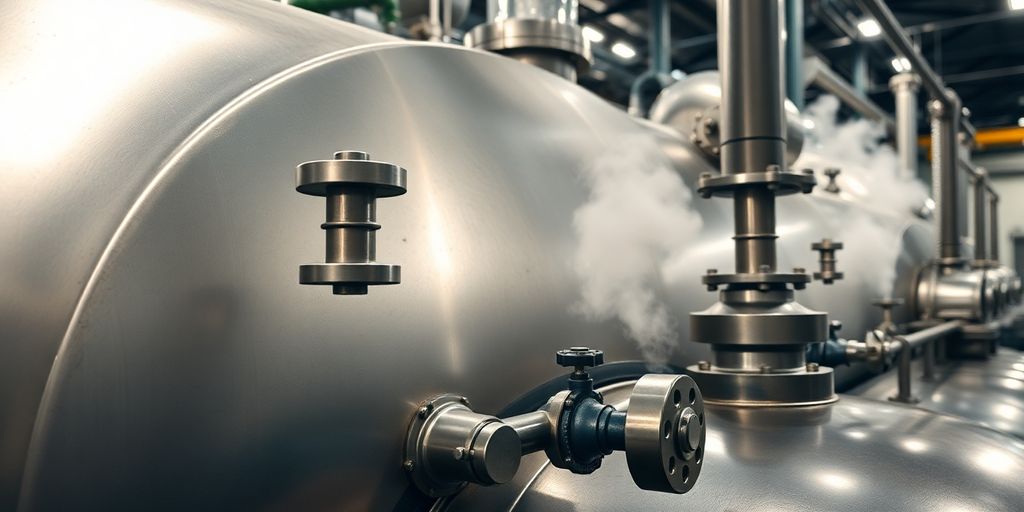
Industrial steam boilers are known for their exceptional durability, which is a significant advantage for manufacturing operations. These boilers are designed to withstand high pressures and temperatures, making them robust and reliable over time. A well-maintained steam boiler can last for several decades, often exceeding 25 years of service. This longevity is not just a matter of construction; it also involves proper maintenance and operation practices that can extend the life of the equipment even further.
Key Factors Contributing to Longevity
- Quality Materials: Industrial steam boilers are typically made from high-grade steel and other durable materials that resist wear and tear. This choice of materials is crucial for withstanding the harsh conditions under which these boilers operate.
- Regular Maintenance: Routine inspections and maintenance can prevent minor issues from becoming major problems. Regular checks on components like valves, pumps, and heat exchangers can significantly enhance the lifespan of the boiler.
- Proper Operation: Operating the boiler within its designed parameters is essential. Overloading the boiler or running it at excessive temperatures can lead to premature wear and failure.
Maintenance Tips for Longevity
To ensure that your industrial steam boiler lasts as long as possible, consider the following maintenance tips:
- Conduct Regular Inspections: Schedule routine checks to identify any potential issues early.
- Monitor Water Quality: Poor water quality can lead to scale buildup and corrosion, which can shorten the lifespan of the boiler.
- Keep Records: Maintain detailed logs of maintenance activities and any repairs made to the boiler. This information can help in identifying patterns that may indicate underlying issues.
A well-cared-for steam boiler not only lasts longer but also operates more efficiently, saving money in the long run.
In conclusion, the long lifespan of industrial steam boilers is a key benefit for manufacturers. By investing in quality equipment and committing to regular maintenance, businesses can enjoy reliable steam generation for many years, ultimately leading to increased productivity and reduced operational costs.
6. Space Efficiency
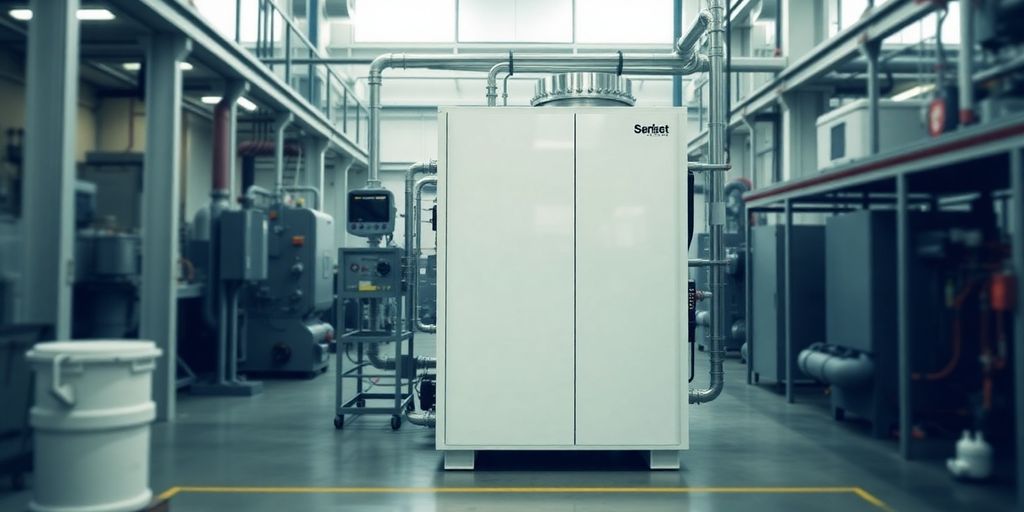
Industrial steam boilers are known for their space efficiency, making them a popular choice in manufacturing settings where floor space is limited. Unlike traditional heating systems, steam boilers can be designed to fit into smaller areas without sacrificing performance. This is particularly beneficial for factories and plants that need to maximize their operational space.
One of the key advantages of steam boilers is their compact design. Many modern models are engineered to occupy less floor space while still delivering high steam output. This allows manufacturers to allocate more room for production equipment or storage. Here are some reasons why steam boilers are space-efficient:
- Compact Design: Many steam boilers are designed to be smaller and lighter, which means they can be installed in tight spaces.
- Vertical Installation Options: Some boilers can be installed vertically, further saving floor space.
- Multi-Functionality: Steam boilers can often serve multiple purposes, such as heating and power generation, reducing the need for additional equipment.
Comparison of Space Requirements
| Boiler Type | Typical Size (sq ft) | Space Efficiency Rating |
|---|---|---|
| Traditional Boiler | 100+ | Low |
| Compact Steam Boiler | 50-80 | High |
| Vertical Steam Boiler | 30-50 | Very High |
In addition to their compact nature, steam boilers can also be integrated into existing systems without requiring extensive modifications. This adaptability means that businesses can upgrade their heating systems without the need for major renovations, saving both time and money.
“Space efficiency in industrial settings is not just about saving room; it’s about optimizing productivity and workflow.”
Overall, the space efficiency of industrial steam boilers makes them an excellent choice for manufacturers looking to improve their operations while minimizing their footprint. By choosing a steam boiler, companies can ensure they are making the most of their available space, leading to better productivity and efficiency.
7. Quick Response to Demand
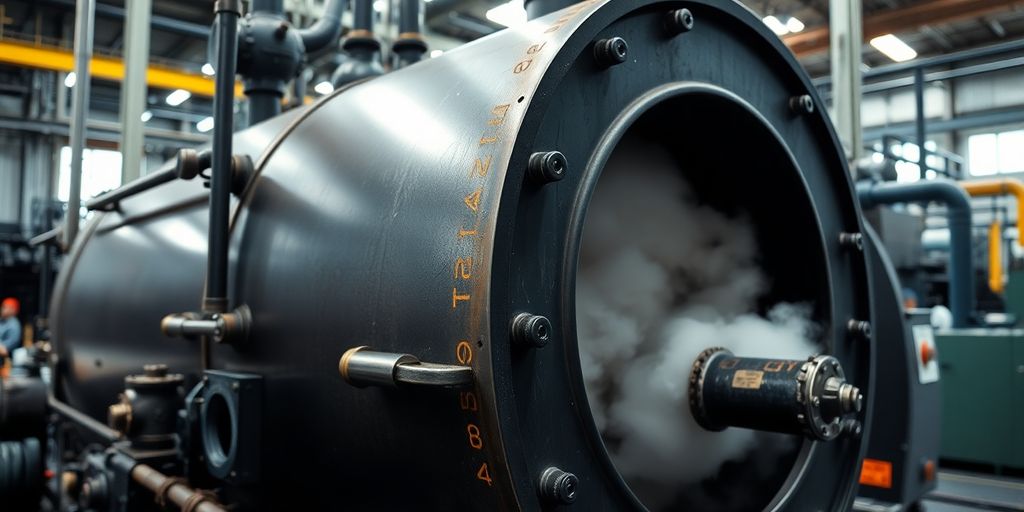
In the fast-paced world of manufacturing, the ability to respond quickly to changes in demand is crucial. Industrial steam boilers are designed to provide rapid steam generation, which allows manufacturers to adjust their production levels swiftly. This flexibility is essential for meeting customer needs and maintaining a competitive edge in the market.
One of the key advantages of industrial steam boilers is their ability to produce steam on demand. Unlike traditional heating systems that may take time to reach optimal temperatures, modern steam boilers can quickly ramp up their output. This means that when a sudden increase in production is required, manufacturers can rely on their steam boilers to deliver the necessary steam without significant delays.
Benefits of Quick Response
- Increased Production Efficiency: With the ability to generate steam quickly, manufacturers can optimize their production schedules and reduce downtime.
- Improved Customer Satisfaction: Quick response times lead to faster order fulfillment, which enhances customer satisfaction and loyalty.
- Flexibility in Operations: Manufacturers can easily adjust their operations based on market demand, allowing them to take advantage of new opportunities.
Conclusion
In summary, the quick response to demand provided by industrial steam boilers is a significant benefit for manufacturers. This capability not only enhances production efficiency but also improves customer satisfaction and operational flexibility.
“In today’s manufacturing landscape, speed and efficiency are key to success. Industrial steam boilers play a vital role in achieving these goals.”
8. Environmental Impact
Industrial steam boilers play a significant role in the manufacturing sector, not just in terms of efficiency and productivity, but also regarding their environmental impact. The way these boilers are designed and operated can greatly influence their carbon footprint. Modern steam boilers are engineered to minimize emissions, which is crucial in today’s world where climate change is a pressing issue.
Emission Reduction
One of the primary environmental benefits of industrial steam boilers is their ability to reduce harmful emissions. Many manufacturers are now using advanced technologies that help lower the release of greenhouse gases. Here are some key points:
- Improved Combustion Efficiency: Modern boilers are designed to burn fuel more completely, which reduces the amount of unburned fuel that is released into the atmosphere.
- Use of Cleaner Fuels: Switching to cleaner fuels, such as natural gas, can significantly lower emissions compared to traditional fossil fuels.
- Emission Control Technologies: Many boilers are equipped with technologies like scrubbers and filters that capture pollutants before they can escape into the environment.
Energy Conservation
Another important aspect of the environmental impact of steam boilers is energy conservation. Efficient boilers use less fuel to produce the same amount of steam, which not only saves money but also reduces the overall demand for energy. This can lead to:
- Lower Fuel Consumption: By using less fuel, companies can decrease their carbon emissions.
- Reduced Resource Depletion: Efficient boilers help in conserving natural resources by minimizing the need for fuel extraction.
- Sustainable Practices: Many industries are adopting sustainable practices that include using steam boilers that are designed with the environment in mind.
Investing in modern steam boiler technology is not just a smart business decision; it’s also a commitment to a healthier planet.
In conclusion, the environmental impact of industrial steam boilers is significant. By focusing on emission reduction and energy conservation, manufacturers can contribute to a more sustainable future. As technology continues to advance, we can expect even greater improvements in the environmental performance of these essential systems.
Conclusion
In summary, industrial steam boilers play a crucial role in manufacturing. They provide reliable heat and power, which are essential for many processes. These boilers are cost-effective and can use various fuel types, making them versatile. Their efficiency helps companies save money and reduce waste. Even with newer technologies, traditional steam boilers remain dependable and efficient. As industries grow and change, these boilers will continue to be a key part of production, ensuring that businesses can operate smoothly and meet their energy needs.