


Choosing the right industrial steam boiler is crucial for any business that relies on steam for its operations. Their benefits can enormously improve your facility’s working efficiency. However, with various types available, understanding their differences and the factors that influence their selection can ensure you make the best choice for your needs. Like water tube steam boilers mainly for hospitals. This guide simplifies the process, breaking down essential aspects to help you find the ideal boiler for your facility.
Key Takeaways
- Identify the type of boiler that fits your needs: firetube, watertube, electric, or condensing.
- Consider safety features to prevent accidents and ensure reliable operation.
- Evaluate the total costs, including purchase price and long-term energy efficiency.
- Assess your facility’s steam and hot water demands to choose the right size and capacity.
- Plan for maintenance and installation to keep your boiler running smoothly.
Understanding Different Types of Industrial Steam Boilers
When it comes to industrial steam boilers, there are several types to choose from, each with its own unique features and benefits. Understanding these types is crucial for selecting the right boiler for your needs.
Firetube Steam Boilers
Firetube steam boilers are designed with a simple structure, making them ideal for smaller operations. In these boilers, hot gases from combustion flow through tubes that are surrounded by water. This design allows for efficient heat transfer, making firetube boilers a cost-effective option. They are often used in facilities that require lower operating pressures.
Some key advantages of firetube steam boilers include:
- Lower initial costs compared to other types.
- Easier maintenance due to their straightforward design.
- Robust performance for smaller steam requirements.
However, they may not be suitable for larger operations that require higher pressures and temperatures.
Watertube Steam Boilers
Watertube steam boilers operate differently from firetube boilers. In these systems, water flows through tubes that are heated externally by hot gases. This design allows watertube boilers to handle higher capacities, pressures, and temperatures. They are often used in larger industrial applications where steam demand is significant.
Key features of watertube steam boilers include:
- Higher efficiency in generating steam.
- Ability to operate at high pressures and temperatures.
- Greater flexibility in design, allowing for various configurations.
These boilers are ideal for industries that require a large amount of steam, such as power generation and chemical processing.
Electric Steam Boilers
Electric steam boilers are powered by electricity rather than combustion. They are often used in smaller applications where steam is needed but where emissions must be minimized. These boilers can be configured for both steam and hot water applications, making them versatile.
Some benefits of electric steam boilers are:
- Zero emissions, making them environmentally friendly.
- Compact design, which saves space.
- Quick startup times, allowing for immediate steam generation.
However, they may require a significant amount of electrical power, which can limit their use in some facilities.
Condensing Steam Boilers
Condensing steam boilers are designed to maximize energy efficiency. They capture and reuse heat from flue gases, achieving efficiency levels of 90% or higher. This makes them an excellent choice for both industrial and residential applications.
Key points about condensing steam boilers include:
- High energy efficiency, reducing operational costs.
- Lower emissions, contributing to a cleaner environment.
- Advanced heat exchanger technology that enhances performance.
These boilers are becoming increasingly popular as industries seek to reduce their carbon footprint and improve energy efficiency.
Key Factors to Consider When Selecting an Industrial Steam Boiler
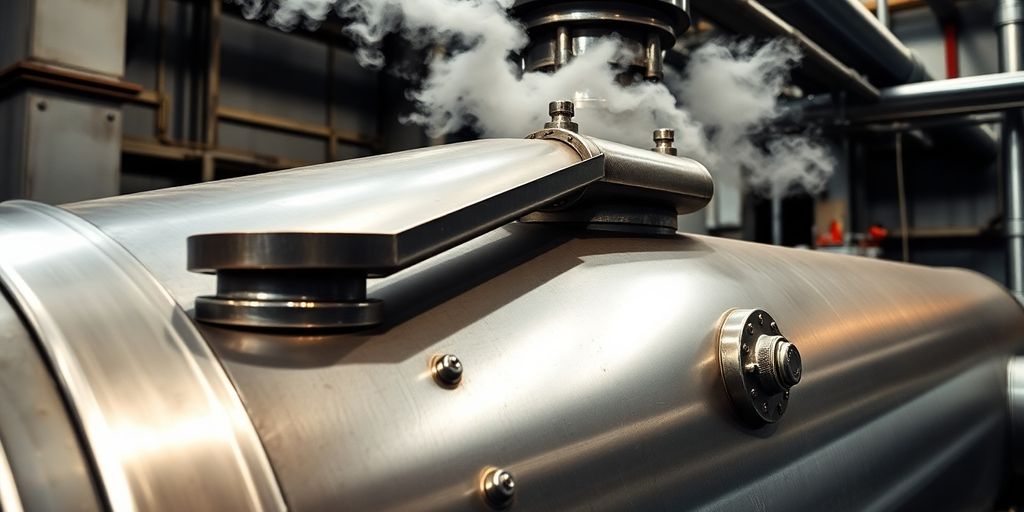
When choosing an industrial steam boiler, several important factors must be taken into account to ensure that the selected unit meets the specific needs of your facility. Understanding these key factors can help you make an informed decision that balances safety, efficiency, and cost.
Safety Considerations
Safety is paramount when selecting an industrial steam boiler. Boilers operate under high pressure and temperature, which can pose risks if not properly managed. Here are some safety features to look for:
- Low water content design: This minimizes the risk of catastrophic explosions.
- Automatic shut-off systems: These systems can prevent overheating and other dangerous conditions.
- Regular maintenance schedules: Ensuring that the boiler is regularly checked can help identify potential issues before they become serious problems.
Cost and Efficiency
Cost is a significant factor in selecting a boiler, but it’s essential to consider both the initial purchase price and the long-term operating costs. An efficient boiler can save money over time. Here are some points to consider:
- Initial cost vs. operating cost: A cheaper boiler may have higher fuel costs.
- Fuel efficiency ratings: Look for boilers with high thermal efficiency to reduce energy bills.
- Lifecycle costs: Consider how long the boiler will last and its maintenance needs.
Reliability and Durability
A reliable boiler is crucial for uninterrupted operations. When evaluating reliability, consider:
- Manufacturer reputation: Research brands known for durability and performance.
- Warranty and support: A good warranty can provide peace of mind.
- User reviews: Feedback from other users can give insights into the boiler’s reliability.
Fuel Sources
The type of fuel your boiler will use is another critical factor. Different fuels have varying costs and availability. Consider:
- Natural gas: Often the most economical option.
- Oil: May be more expensive but is available in many areas.
- Biomass: An eco-friendly option that can reduce carbon footprint.
In summary, selecting the right industrial steam boiler involves careful consideration of safety, cost, reliability, and fuel sources. By taking the time to evaluate these factors, you can ensure that your boiler will meet your facility’s needs effectively and efficiently.
Assessing Your Facility’s Steam and Hot Water Demand
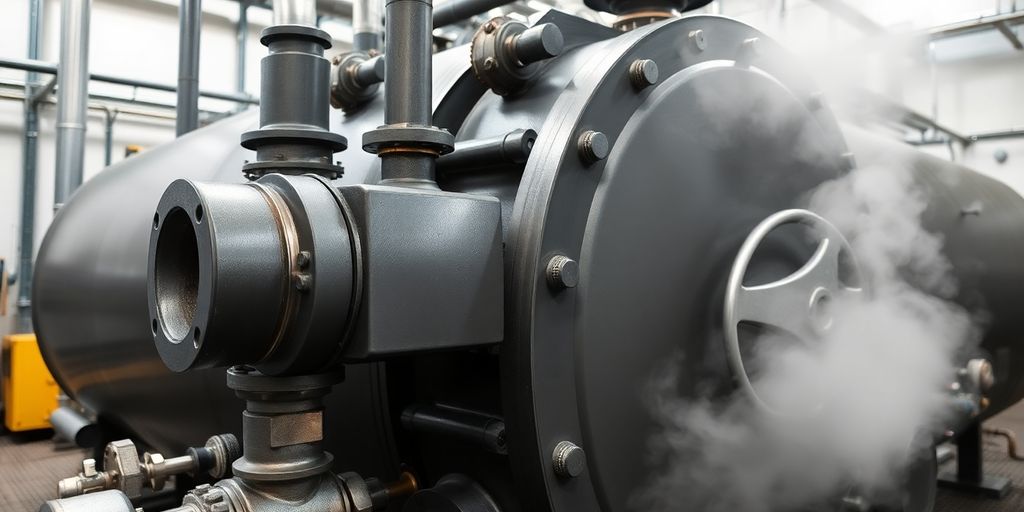
Understanding your facility’s steam and hot water needs is crucial for selecting the right industrial steam boiler. This assessment ensures that the boiler can meet production demands efficiently and effectively. Here are some key areas to focus on:
Total Load Requirement
To begin, you need to determine the total load requirement for steam and hot water. This involves calculating the amount of steam needed for various processes. For example, if your factory requires 10 tons of steam daily, this figure will guide your boiler selection. It’s essential to consider both average and peak demands to ensure the boiler can handle fluctuations in usage.
Peak Demand Periods
Next, identify peak demand periods. These are times when your facility uses the most steam or hot water. For instance, if your peak usage occurs between 8 and 10 a.m., you might need a boiler that can supply 15 tons of steam during this time. Understanding these patterns helps in choosing a boiler that can handle high demand without compromising performance.
Economic Efficiency
Economic efficiency is another critical factor. The boiler should ideally operate at or above 75% of its rated capacity. This ensures that it runs efficiently, saving energy and reducing costs. A boiler that frequently operates below this threshold may lead to higher operational costs and increased wear and tear.
Redundancy Planning
Lastly, consider redundancy planning. It’s wise to have a backup boiler to cover any potential outages. This ensures that your production processes remain uninterrupted, even if the primary boiler fails. Having a backup system can save you from costly downtime and maintain consistent operations.
In summary, assessing your facility’s steam and hot water demand is essential for selecting the right boiler. By understanding total load requirements, peak demand periods, economic efficiency, and redundancy needs, you can make an informed decision that supports your operational goals.
Installation and Maintenance of Industrial Steam Boilers
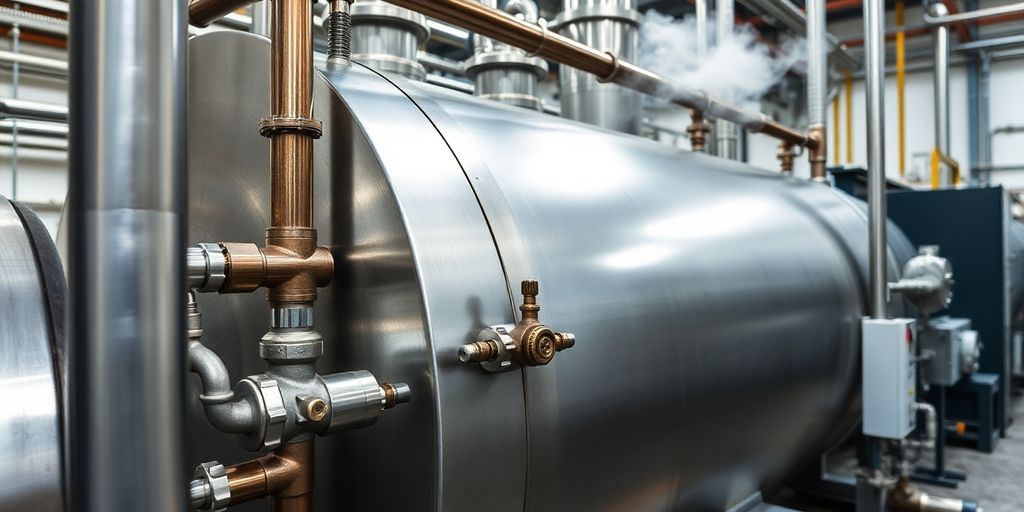
Installation Location
Choosing the right location for your industrial steam boiler is crucial for its performance and safety. The installation site should be spacious and well-ventilated. This ensures that the boiler can operate efficiently and that any emissions can disperse safely. Additionally, consider the proximity to fuel sources and water supply. A good location minimizes the distance for fuel delivery and water intake, which can save time and reduce costs. Here are some key points to consider when selecting an installation site:
- Accessibility: Ensure that the boiler is easily accessible for maintenance and inspections.
- Safety Regulations: Follow local safety codes and regulations to avoid legal issues.
- Environmental Impact: Assess the potential environmental impact of the boiler’s emissions and ensure compliance with regulations.
Ease of Maintenance
Maintenance is vital for the longevity and efficiency of an industrial steam boiler. A well-maintained boiler can save money in the long run by reducing the need for repairs and improving efficiency. Here are some factors to consider:
- Regular Inspections: Schedule routine inspections to identify potential issues before they become serious problems.
- Cleaning Procedures: Establish a cleaning schedule for smoke tubes and water tubes to prevent buildup that can affect performance.
- Replacement Parts: Keep a stock of essential replacement parts to minimize downtime during repairs.
Accessibility
Accessibility is another important factor in the installation and maintenance of industrial steam boilers. The boiler should be placed in a location that allows easy access for technicians and maintenance staff. This includes:
- Space for Tools: Ensure there is enough room for tools and equipment needed for maintenance.
- Clear Pathways: Maintain clear pathways to the boiler for easy movement during inspections and repairs.
- Emergency Access: Plan for emergency access in case of a malfunction or safety issue.
Weather Considerations
Weather can significantly impact the operation of an industrial steam boiler. If the boiler is installed outdoors, it is essential to protect it from harsh weather conditions. Here are some considerations:
- Insulation: Use proper insulation to protect the boiler from extreme temperatures.
- Shelter: Consider building a shelter or using a weatherproof cover to shield the boiler from rain, snow, and wind.
- Drainage: Ensure proper drainage around the installation site to prevent water accumulation that could damage the boiler.
Proper installation and maintenance of industrial steam boilers are essential for safe and efficient operation. Regular checks and a good location can lead to long-term savings and reliability.
Advanced Features and Technologies in Modern Steam Boilers
In today’s industrial landscape, steam boilers have evolved significantly, incorporating advanced features and technologies that enhance their performance and efficiency. Understanding these innovations is crucial for selecting the right boiler for your needs.
Combustion Technology
Modern steam boilers utilize advanced combustion technologies to improve efficiency and reduce emissions. These technologies include:
- Low NOx Burners: Designed to minimize nitrogen oxide emissions, which are harmful pollutants.
- High Turndown Ratio: This feature allows the boiler to operate efficiently at varying loads, ensuring optimal performance even during low demand.
- Multi-Fuel Capability: Many modern boilers can burn different types of fuel, such as natural gas, oil, or biomass, providing flexibility in fuel sourcing.
These advancements not only help in meeting environmental regulations but also contribute to cost savings by optimizing fuel usage.
Emission Control
With increasing regulations on air quality, emission control has become a top priority for industrial steam boilers. Key features include:
- Advanced Filtration Systems: These systems capture harmful particles before they are released into the atmosphere.
- Continuous Emission Monitoring: This technology allows operators to track emissions in real-time, ensuring compliance with environmental standards.
- Low Emission Designs: Many modern boilers are engineered to produce significantly lower emissions, making them more environmentally friendly.
Startup Time
The startup time of a steam boiler is critical for industries that require quick access to steam. Water-tube boilers, for instance, can achieve steam generation in as little as 5 to 20 minutes. This rapid startup capability is essential for operations that need steam on demand, minimizing downtime and improving productivity.
Heat Flux and Heating Surface Area
The efficiency of a steam boiler is also influenced by its heat flux and heating surface area. A larger heating surface area allows for better heat transfer, leading to:
- Higher Efficiency: More heat is utilized from the fuel, reducing waste.
- Lower Exhaust Gas Temperature: This indicates that more heat is being captured for steam production rather than being lost.
- Reduced Fuel Consumption: Efficient heat transfer means less fuel is needed to produce the same amount of steam.
In summary, modern steam boilers are equipped with advanced features that enhance their efficiency, reduce emissions, and improve overall performance. When selecting a boiler, it is essential to consider these technologies to ensure you choose a system that meets your operational needs and environmental responsibilities.
Optimizing Boiler Performance for Long-Term Operation
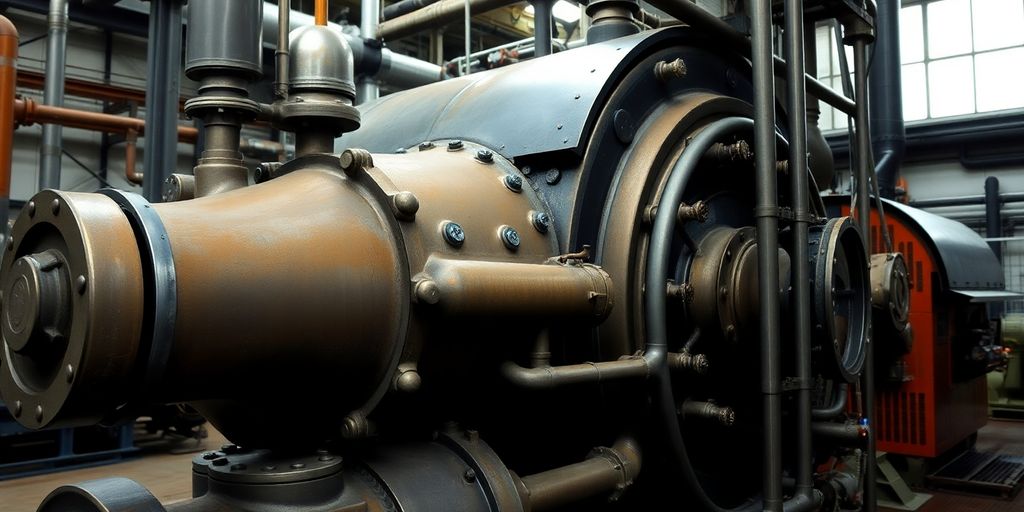
Monitoring and Control Systems
To ensure that your industrial steam boiler operates efficiently over time, monitoring and control systems are essential. These systems help track various parameters such as temperature, pressure, and water levels. By continuously monitoring these factors, operators can quickly identify any irregularities that may indicate a problem. This proactive approach not only helps in maintaining optimal performance but also extends the lifespan of the boiler. Regularly scheduled checks and updates to the monitoring systems can prevent costly downtimes and repairs.
Routine Maintenance
Routine maintenance is crucial for keeping your boiler in top shape. This includes:
- Regular inspections to check for wear and tear.
- Cleaning of smoke tubes and water tubes to prevent blockages.
- Replacing worn parts before they fail.
- Monitoring control systems to ensure they are functioning correctly.
By adhering to a strict maintenance schedule, you can avoid unexpected breakdowns and ensure that your boiler runs smoothly for years to come.
Efficiency Upgrades
As technology advances, there are always new ways to improve boiler efficiency. Consider implementing:
- Upgraded burners that provide better fuel combustion.
- Heat recovery systems that capture waste heat for reuse.
- Insulation improvements to reduce heat loss.
These upgrades can significantly lower operational costs and improve overall performance, making your boiler more environmentally friendly.
Backup Systems
Having a backup system in place is vital for uninterrupted operations. In case of a boiler failure, a backup system can take over, ensuring that your facility continues to function without significant downtime. This is especially important in industries where steam is critical for production. A well-planned redundancy strategy can save you from costly interruptions and maintain productivity.
In summary, optimizing boiler performance requires a combination of effective monitoring, routine maintenance, efficiency upgrades, and backup systems. By focusing on these areas, you can ensure that your industrial steam boiler operates efficiently and reliably for the long term.
Conclusion
Choosing the right industrial steam boiler is a big decision that can affect your business for years. It’s important to think carefully about your needs and the different options available. Remember to consider safety, cost, and efficiency. Make sure the boiler you pick can handle the amount of steam you need and fits your budget. Don’t rush into a choice; take your time to find the best fit for your operation. A good boiler will not only save you money in the long run but also keep your business running smoothly.