


Steam water boilers, commonly referred to as water-tube boilers, are a type of industrial boiler that generates steam by heating water in tubes. The heated water turns into steam, which is then used for a variety of industrial applications. These boilers are essential in many industries, including power generation, manufacturing, food processing, and chemical production, where steam is required for heating, sterilization, and power generation. Know how different sectors utilize steam boilers can highlight their importance in modern operations and can help you choose the right boilers.
Key Takeaways
- Steam boilers are essential for sterilization and sanitation in hospitals.
- Breweries rely on steam for precise temperature control during brewing and bottling.
- Food processing uses steam to ensure safety and cleanliness in food production.
- Shared housing facilities benefit from centralized heating and hot water systems.
- Commercial laundries utilize steam for effective cleaning and pressing of garments.
Hospitals and Medical Industries
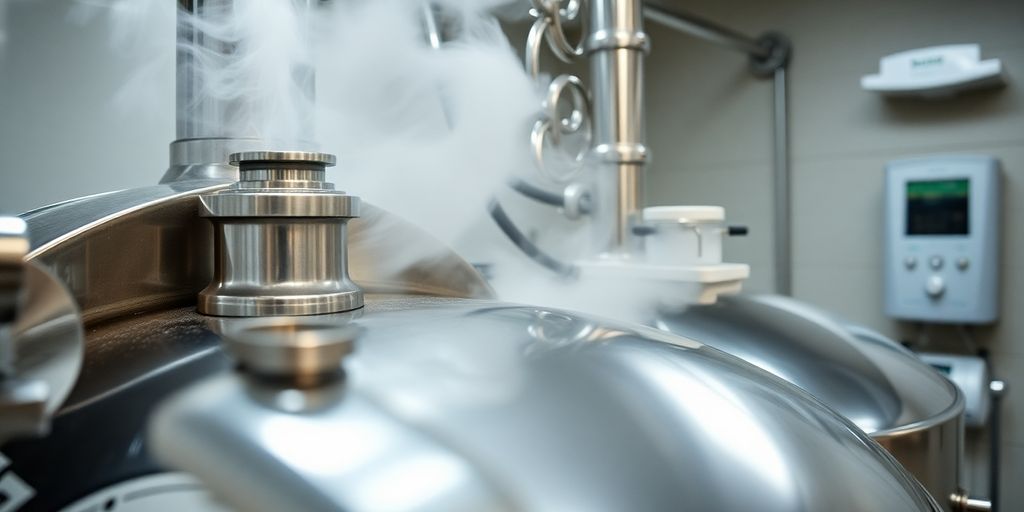
In hospitals and medical facilities, steam water boilers play a crucial role in maintaining a clean and safe environment. These boilers are essential for sterilization and sanitation, ensuring that all medical tools and equipment are free from harmful germs. High-pressure steam is used to clean surgical instruments, linens, and other items that must be kept sterile. This process is vital for preventing infections and ensuring patient safety.
Sterilization and Sanitation
Steam boilers are used extensively for sterilization in hospitals. The high temperatures achieved by steam effectively kill bacteria and viruses. Here are some key points about their use in sterilization:
- Effective Cleaning: Steam penetrates materials, ensuring thorough cleaning.
- Quick Process: Sterilization with steam is faster than many chemical methods.
- Environmentally Friendly: Using steam reduces the need for harsh chemicals.
Temperature and Humidity Control
Maintaining the right temperature and humidity levels is essential in hospitals. Steam boilers help regulate these conditions, which is important for:
- Patient Comfort: Proper climate control ensures patients are comfortable during their stay.
- Preventing Mold: Consistent humidity levels help prevent mold growth, which can be harmful to health.
- Operational Efficiency: Boilers provide the necessary heat for various hospital functions, from heating patient rooms to powering laundry facilities.
Energy Efficiency in Large Facilities
Hospitals are large facilities that consume a lot of energy. Steam boilers are designed to be energy-efficient, which helps reduce operational costs. Some benefits include:
- Lower Fuel Costs: Efficient boilers use less fuel to produce the same amount of steam.
- Reduced Emissions: Modern steam boilers emit fewer pollutants, making them better for the environment.
- Long Lifespan: Quality steam boilers are built to last, providing reliable service for many years.
In summary, steam water boilers are vital in hospitals and medical industries, ensuring cleanliness, comfort, and energy efficiency.
Breweries and Distilleries
Breweries and distilleries are industries that heavily rely on steam water boilers for various essential processes. These boilers play a crucial role in ensuring the quality and safety of the final products. One of the primary uses of steam in these facilities is for temperature control during brewing and distilling. Maintaining the right temperature is vital for achieving the desired flavor and consistency in the beverages. If the temperature fluctuates too much, it can lead to undesirable results, affecting the taste and quality of the beer or spirits.
Temperature Control in Brewing
In the brewing process, precise temperature control is necessary. Different stages of brewing require specific temperatures to activate enzymes that convert starches into sugars. Here are some key points about temperature control in brewing:
- Mashing: This stage requires a temperature of around 150-160°F to convert starches into sugars.
- Boiling: The wort is boiled at around 210°F to sterilize it and extract flavors from hops.
- Fermentation: Yeast is added at cooler temperatures, typically between 65-75°F, to ensure proper fermentation.
Using steam boilers allows brewers to maintain these temperatures consistently, leading to better quality products.
Sterilization and Pasteurization
Another critical function of steam boilers in breweries and distilleries is sterilization and pasteurization. Before bottling or kegging, the beverages must be heated to eliminate any harmful bacteria. This process ensures that the drinks are safe for consumption and have a longer shelf life. The steam is used to heat the beverages quickly and evenly, preventing any hot spots that could compromise quality.
Energy Efficiency in Production
Energy efficiency is a significant concern in breweries and distilleries. By using steam boilers, these facilities can optimize their energy use. Here are some benefits of energy-efficient steam systems:
- Reduced Fuel Costs: Efficient boilers consume less fuel, leading to lower operational costs.
- Lower Emissions: Using less fuel also means fewer emissions, making the process more environmentally friendly.
- Space-Saving Designs: Many modern steam boilers are compact, allowing breweries to save valuable floor space.
In summary, steam water boilers are indispensable in breweries and distilleries, ensuring that the brewing and distilling processes are efficient, safe, and produce high-quality beverages.
Food and Beverage Processing
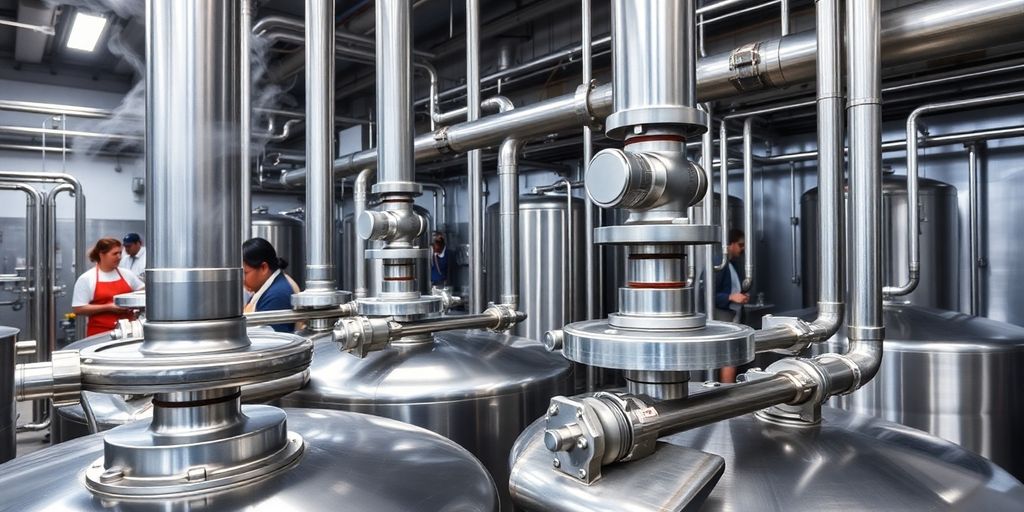
The food and beverage industry relies heavily on steam water boilers for various essential processes. These boilers provide a reliable and energy-efficient way to generate hot water and steam, which are crucial for maintaining food safety and quality. In this sector, steam is used for cooking, cleaning, and sterilizing equipment, ensuring that food products are safe for consumption.
Sterilization and Sanitation
One of the primary uses of steam in food processing is for sterilization and sanitation. High-temperature steam effectively kills bacteria and pathogens, reducing the risk of foodborne illnesses. This process is vital for:
- Cleaning equipment: Steam helps in removing food residues and contaminants from machinery.
- Sanitizing surfaces: Regular steam cleaning of surfaces ensures a hygienic environment.
- Sterilizing utensils: Steam is used to sanitize tools and containers that come into contact with food.
Temperature Control in Cooking
Steam boilers also play a significant role in cooking processes. They provide precise temperature control, which is essential for:
- Cooking food evenly: Steam ensures that food is cooked uniformly, enhancing flavor and texture.
- Maintaining quality: Proper temperature control helps preserve the nutritional value of food.
- Reducing cooking time: Steam cooking is often faster than traditional methods, improving efficiency in production.
Energy Efficiency in Manufacturing
Using steam water boilers can lead to significant energy savings in food and beverage processing. These systems are designed to operate efficiently, which can result in:
- Lower energy costs: Efficient boilers consume less fuel, reducing overall operational expenses.
- Reduced emissions: Modern steam boilers are designed to minimize environmental impact.
- Improved production rates: With reliable steam supply, manufacturers can increase output without compromising quality.
In summary, steam water boilers are indispensable in the food and beverage industry, ensuring safety, efficiency, and quality in food production.
Shared Residency Facilities
Shared residency facilities, such as apartment complexes and dormitories, often rely on industrial steam boilers for various essential functions. These boilers provide hot water for residents’ daily needs, including bathing, cooking, and laundry. Instead of each unit having its own hot water system, it is more efficient for landlords to install a centralized steam boiler system. This approach not only saves space but also reduces energy costs significantly. By using a single, powerful boiler, these facilities can ensure a consistent supply of hot water for all residents.
Centralized Heating Systems
In shared residency facilities, centralized heating systems are crucial for maintaining a comfortable living environment. These systems utilize steam boilers to heat water, which is then circulated throughout the building. This method is more efficient than individual heating units because it allows for better temperature control and reduces energy waste. Here are some benefits of centralized heating systems:
- Cost-Effective: Reduces the overall energy costs for landlords and residents.
- Space-Saving: Frees up space in individual units by eliminating the need for separate heating systems.
- Consistent Temperature: Ensures that all residents have access to hot water at any time, preventing complaints about inconsistent temperatures.
Hot Water Supply Management
Managing hot water supply is essential in shared residency facilities, especially during peak usage times. Residents often use hot water for showers, cooking, and laundry, which can lead to high demand at certain times of the day. To address this, steam boilers can be designed to adjust their output based on real-time needs. This flexibility helps in:
- Meeting Demand: Ensuring that there is enough hot water available during busy times.
- Energy Efficiency: Reducing energy consumption by only heating water when necessary.
- Preventing Overuse: Avoiding the risk of running out of hot water during peak hours.
Energy Efficiency in Large Complexes
Energy efficiency is a significant concern for shared residency facilities. By utilizing industrial steam boilers, these complexes can achieve better energy management. These boilers are designed to operate at higher efficiencies compared to traditional systems. This means they use less fuel to produce the same amount of heat, leading to lower utility bills.
In summary, shared residency facilities benefit greatly from steam water boilers, providing efficient heating and hot water solutions that enhance the living experience for residents while also being cost-effective for landlords.
Commercial Laundry Facilities
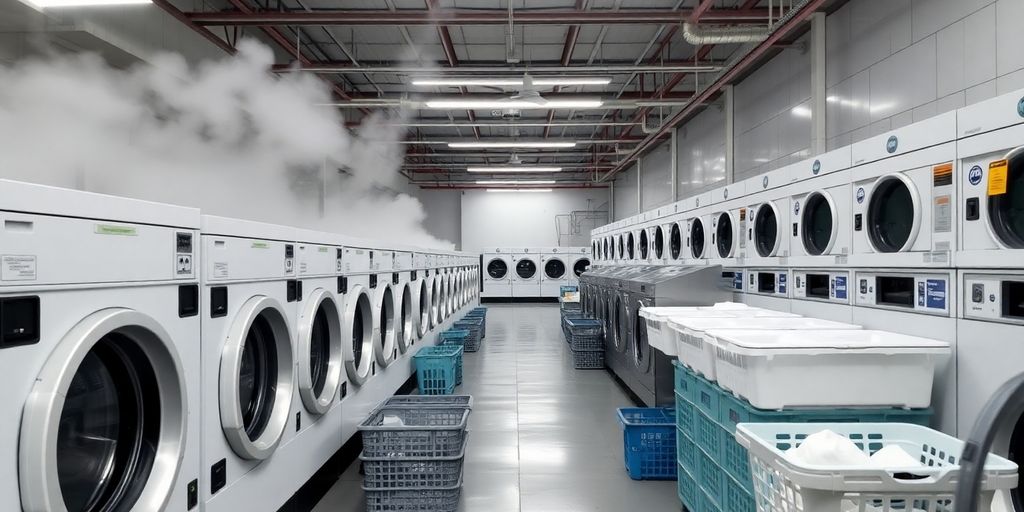
Commercial laundry facilities, whether large or small, rely heavily on steam water boilers to meet their daily cleaning needs. These facilities require significant amounts of hot water for washing clothes and steam for ironing and pressing. Using industrial-grade boilers is essential for efficiency and cost-effectiveness. Unlike traditional systems, modern modular boilers can quickly adjust to the fluctuating demands of laundry operations. This flexibility allows facilities to start their boilers when needed and turn them off when demand decreases, saving energy and reducing costs.
High-Temperature Washing
In commercial laundry, high-temperature washing is crucial for effective cleaning. Hot water helps to remove tough stains and sanitize fabrics. Here are some key points about high-temperature washing:
- Effective Stain Removal: Hot water helps dissolve grease and grime, making it easier to clean clothes.
- Sanitization: High temperatures kill bacteria and germs, ensuring that laundry is hygienic.
- Efficiency: Using steam can reduce washing times, allowing for more loads to be processed in a day.
Steam for Ironing and Pressing
Steam is also vital for ironing and pressing clothes. It helps to remove wrinkles and gives garments a crisp finish. The benefits of using steam in this process include:
- Quick Wrinkle Removal: Steam penetrates fabrics quickly, making it easier to smooth out wrinkles.
- Less Damage: Using steam reduces the risk of burning or damaging delicate fabrics compared to dry heat.
- Improved Productivity: With steam, workers can press clothes faster, increasing overall output.
Energy Efficiency in Operations
Energy efficiency is a major concern for commercial laundry facilities. By utilizing steam water boilers, these facilities can:
- Reduce Energy Costs: Modular boilers can be turned on and off as needed, preventing energy waste.
- Lower Emissions: Efficient boilers produce fewer emissions, contributing to a cleaner environment.
- Optimize Space: Modular systems take up less space, allowing for better use of the facility.
In summary, commercial laundry facilities benefit greatly from steam water boilers. They provide the necessary heat for washing, ironing, and pressing, while also promoting energy efficiency and cost savings.
Textile and Paper Mills
Textile and paper mills are vital industries that rely heavily on steam water boilers for their operations. These boilers provide the necessary heat and pressure to ensure that manufacturing processes run smoothly. The ability to maintain precise temperature and pressure is crucial for producing high-quality textiles and paper products.
Temperature Control in Dyeing
In the textile industry, dyeing is a critical process that requires water to be heated to specific temperatures. Steam boilers are essential for this task, as they can quickly reach the desired temperature and maintain it consistently. This precision helps in achieving uniform color and quality in the final product. The use of steam also allows for faster processing times, which can significantly increase productivity.
Steam for Pre-Treatment Processes
Before dyeing, textiles often undergo pre-treatment processes that require hot water and steam. These processes include cleaning and preparing the fabric to ensure that it absorbs dye evenly. Steam helps in loosening dirt and impurities, making it easier to achieve the desired finish. Additionally, using steam in these processes can lead to better quality control, as manufacturers can monitor and adjust conditions in real-time.
Energy Efficiency in Manufacturing
Energy efficiency is a major concern in textile and paper mills. By utilizing modern steam boilers, these industries can reduce energy consumption and lower operational costs. Here are some benefits of energy-efficient steam boilers:
- Lower fuel costs: Efficient boilers use less fuel to produce the same amount of steam.
- Reduced emissions: Modern boilers are designed to minimize harmful emissions, contributing to a cleaner environment.
- Improved reliability: Energy-efficient systems often have better performance and require less maintenance.
In summary, steam water boilers play a crucial role in the textile and paper industries, ensuring that processes are efficient, effective, and environmentally friendly.
Agriculture
Soil Sterilization
In agriculture, steam plays a crucial role in soil sterilization. This method involves using steam to heat the soil, effectively killing harmful bacteria, viruses, and pests. Soil steam sterilization is an eco-friendly technique that can be applied in both greenhouses and open fields. By heating the soil to high temperatures, farmers can significantly reduce the presence of weeds and pathogens, leading to healthier crops. This process not only helps in maintaining soil health but also enhances the nutrient content, making it more fertile for future planting.
Disinfection of Tools
Another important application of steam in agriculture is the disinfection of tools. Farmers often use steam to clean their equipment, ensuring that no harmful pathogens are transferred between different crops. This practice is vital for preventing the spread of diseases that can devastate entire harvests. Regularly sterilizing tools can help maintain a healthy farming environment and improve overall crop yield.
Energy Efficiency in Farming
Utilizing steam boilers in agriculture also contributes to energy efficiency. By harnessing steam for various processes, farmers can reduce their reliance on traditional energy sources. This not only lowers operational costs but also minimizes the environmental impact of farming activities. Here are some benefits of using steam in agriculture:
- Reduced energy consumption: Steam systems can be more efficient than other heating methods.
- Lower operational costs: Efficient steam use can lead to significant savings.
- Sustainable practices: Using steam aligns with eco-friendly farming methods.
Steam technology in agriculture is not just about efficiency; it’s about creating a sustainable future for farming. By adopting these methods, farmers can ensure healthier crops and a cleaner environment.
Automotive Manufacturing
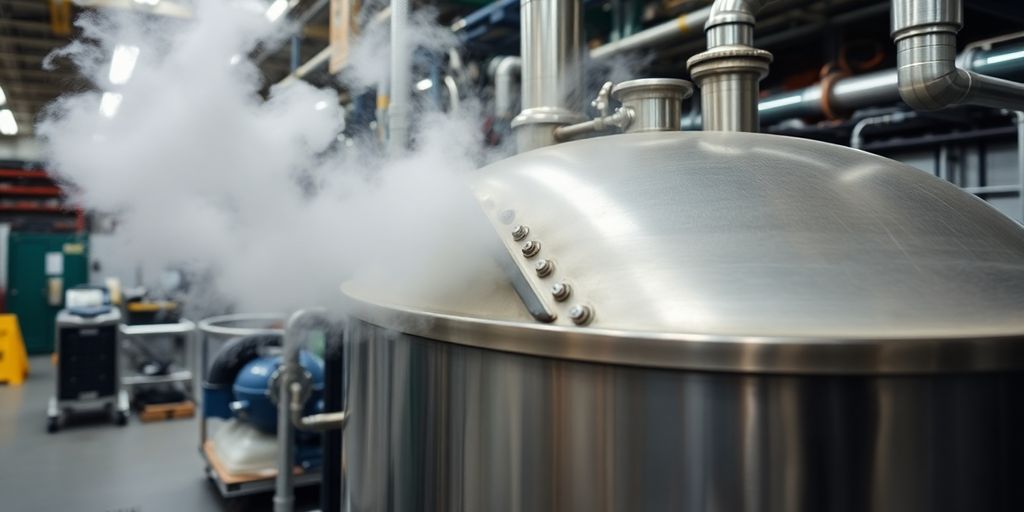
The automotive manufacturing sector is a vital part of the economy, and it relies heavily on steam water boilers for various processes. Steam plays a crucial role in producing essential materials like rubber and carbon fiber, which are used in vehicle components. These materials often require precise temperature control and consistent steam supply to ensure quality and efficiency in production.
Steam for Vulcanization
One of the primary uses of steam in automotive manufacturing is for vulcanization. This process involves heating rubber to improve its strength and elasticity. The steam helps maintain the right temperature, ensuring that the rubber is properly cured. Without steam, the vulcanization process could be inconsistent, leading to defects in the final product.
Temperature Control in Production
In addition to vulcanization, steam is essential for maintaining temperature control throughout the production line. Many components, such as metal parts, need to be heated to specific temperatures for processes like welding and molding. Steam boilers provide a reliable source of heat, allowing manufacturers to maintain the necessary conditions for optimal production. This consistency is vital for meeting safety and quality standards in the automotive industry.
Energy Efficiency in Manufacturing
Energy efficiency is a significant concern in automotive manufacturing. By utilizing modular steam boilers, companies can optimize their energy use. These systems can quickly adjust to fluctuating steam demands, reducing waste and lowering operational costs. Here are some benefits of using steam boilers in this industry:
- Reduced energy consumption: Modular systems can operate only when needed, saving energy.
- Lower emissions: Efficient boilers produce fewer pollutants, helping companies meet environmental regulations.
- Cost savings: By minimizing energy waste, manufacturers can significantly cut their operating expenses.
In summary, steam water boilers are indispensable in automotive manufacturing, providing the necessary heat and efficiency for producing high-quality vehicles.
Conclusion
In summary, steam water boilers play a vital role in many industries. From hospitals that need them for sterilization and heating, to breweries that rely on them for brewing and cleaning, these boilers are essential. They help keep our food safe, our clothes clean, and our buildings warm. As we see, the use of steam boilers is widespread, and their importance cannot be overstated. For businesses that depend on them, regular maintenance and proper installation are key to ensuring they work efficiently. Understanding the various industries that utilize steam water boilers helps us appreciate their impact on our daily lives.